
Why Does Professional Wedding Photography Cost What It Does?

The Photographer's Perspective: Part 5
It's usually one of the first questions couples ask us, somewhere between checking our availability and asking to see a full gallery: why is wedding photography so expensive?
It's a completely fair question, and it deserves an honest answer rather than a defensive one. From the outside, a wedding photographer's job looks fairly simple. You turn up on the day, take some lovely photographs, and send over a gallery a few weeks later. If that really were the whole job, we'd agree the price would look steep.
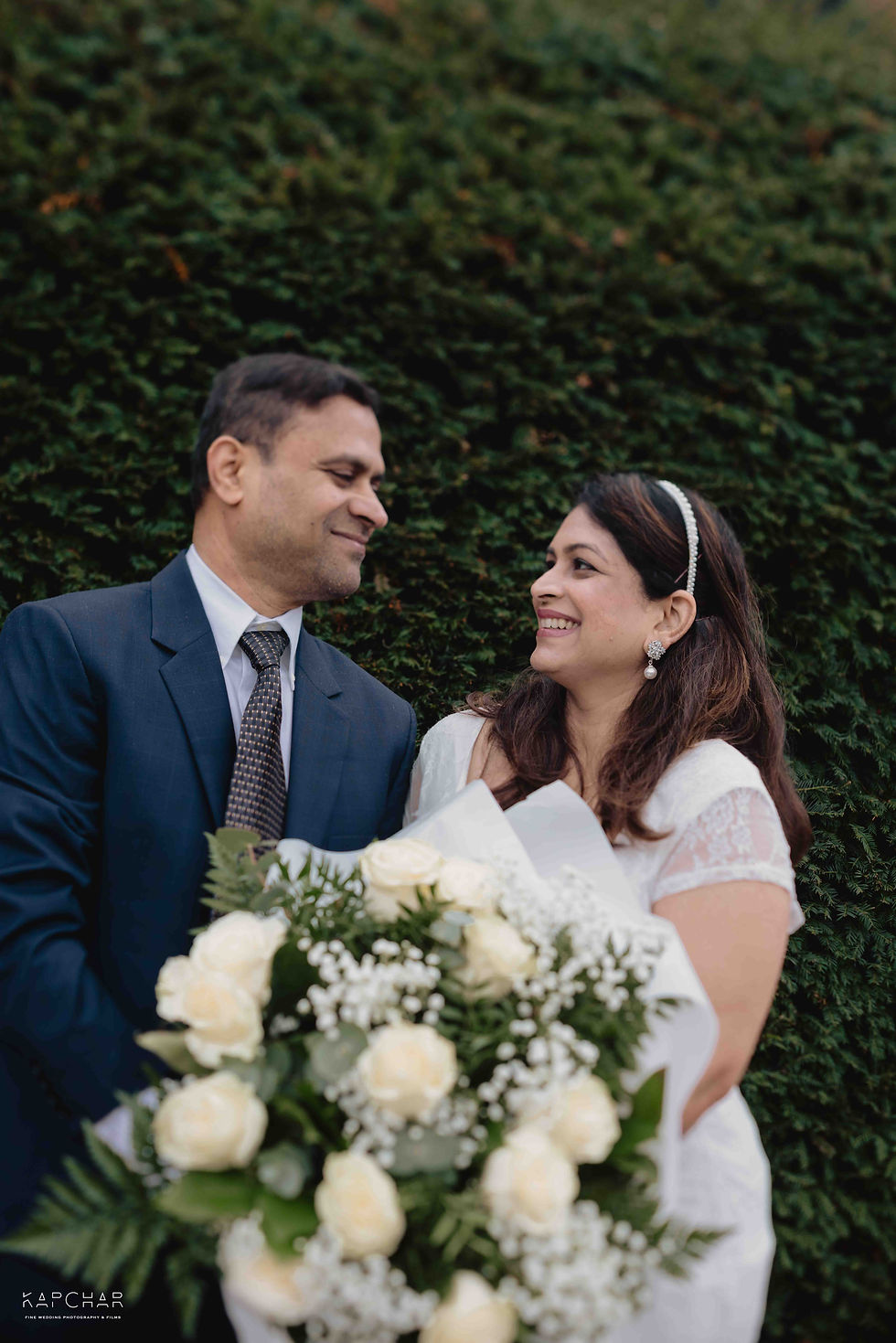
But the day you see is only the visible part of a much longer process. It starts weeks before your ceremony and doesn't really finish until long after the last guest has gone home. This is especially true once couples start comparing luxury wedding photographer costs and wondering what actually explains the difference between quotes. After photographing more than 400 weddings across the UK and further afield, we thought it was worth explaining, properly, where the time and the cost actually go.
Before the Wedding: The Work Nobody Sees
By the time we arrive on your wedding morning, we've usually already spent hours on your day without taking a single photograph.
There's the initial consultation, where we get to know you as a couple and understand what matters most to you. Then comes the planning: working through your wedding day timeline so we know exactly when the light will be best, when family groups need gathering, and where the natural gaps in the day are.
If we haven't shot at your venue before, we'll often research it in advance: where the light falls at different times of day, where the strongest backdrops are, and whether there are any restrictions worth planning around. For multi-day South Asian celebrations and destination weddings, this planning stretches even further, since we're often coordinating across several events, locations, and sometimes countries.
Every camera is checked, every battery charged, every memory card formatted and tested. We carry backup cameras and lenses to every wedding, not because we expect something to fail, but because a wedding day simply doesn't pause for equipment problems. Public liability and equipment insurance, travel logistics, and sometimes accommodation for destination weddings, all get organised long before your wedding morning arrives.
None of this is visible to you. It's simply the reason the day itself tends to run smoothly.
On the Wedding Day: Ten to Fourteen Hours of Concentration
A wedding day is long. Most photographers are on-site for somewhere between ten and fourteen hours, often starting with getting-ready photographs early in the morning and finishing well after the dancing has started.
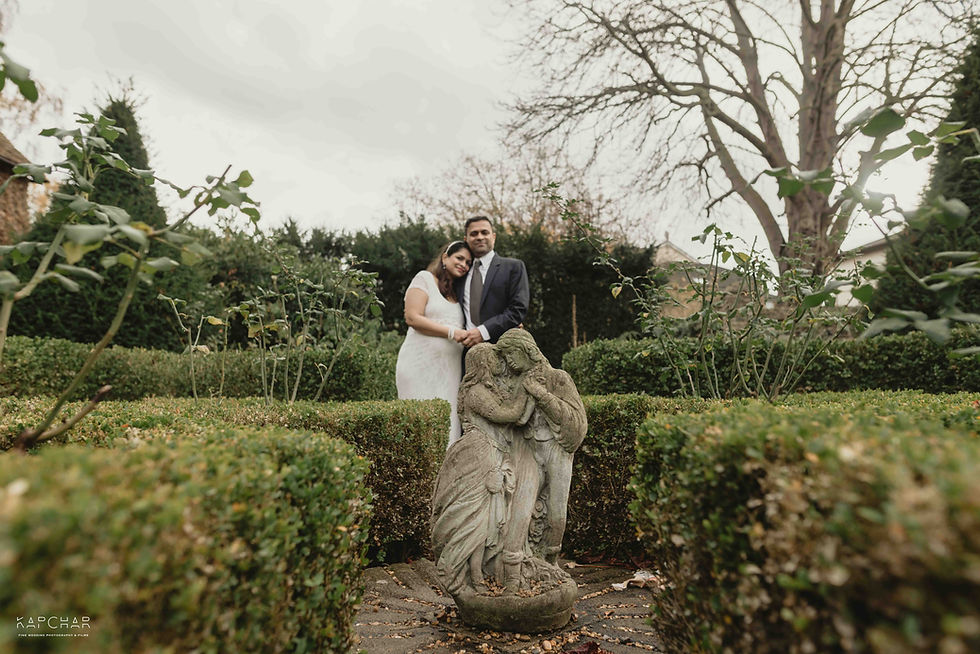
Throughout that time, we're not simply taking pictures. We're reading the day as it unfolds: watching the light change through the afternoon, adjusting to a room that's darker than expected, or responding to weather that doesn't match the forecast. If you've ever wondered what happens if it rains on your wedding day, a lot of that calm comes from having planned for it well in advance.
Family portraits, in particular, take real skill to manage well. Gathering the right people at the right time, without eating into time you'd rather spend with your guests, is a small logistical exercise that experienced photographers tend to handle almost invisibly.
For multi-day South Asian weddings, this stretches even further. A single celebration might include a mehndi, a ceremony, and a reception across separate days, each with its own rituals, colours and family dynamics to understand. Staying attentive across several days in a row takes a different kind of stamina to a single-day wedding, and it's part of why experience with these celebrations specifically makes a genuine difference.
And throughout all of it, certain moments only happen once. A father's reaction on seeing his daughter for the first time. A best man's hands shaking slightly before a speech. There's no reshoot for any of it, which is part of why experience matters just as much on the day itself as it does behind a computer afterwards.
After the Wedding: Where Most of the Time Actually Goes
This is the part couples are usually most surprised by. For many photographers, the hours spent editing after a wedding rival, or even exceed, the hours spent shooting it.
The process typically starts with backing up every image in more than one place, because losing a single wedding's photographs simply isn't an option. From there, we go through every photograph taken that day, sometimes several thousand frames, to select the ones that best represent your day. That's partly why the final gallery you receive is a curated collection rather than every single image: proper editing takes real time, and a smaller, considered gallery usually serves you better than an enormous unedited one.
Once the selects are made, the editing itself begins. Colour grading, exposure adjustments, skin tone consistency, and retouching where it's genuinely needed.
This is also why most photographers don't hand over the original RAW files: the unedited files are really just raw material, not the finished product you're paying for.
After editing comes gallery preparation, and for couples who've chosen an album, the design process itself, which often runs through several rounds of revisions to get the layout and the story of the day just right. Then everything is backed up again, in more than one location, so your gallery stays safe for years to come.
The Hidden Costs Behind the Camera
Alongside the time spent on your specific wedding, there's an entire business running quietly in the background.
Professional cameras and lenses represent a significant investment, and they need replacing or upgrading periodically. Editing computers and software subscriptions are ongoing costs, as is cloud storage for years of client galleries. There's public liability and equipment insurance, too, which most reputable venues require before allowing a photographer on-site.
For larger or luxury weddings, there's often a second shooter or an additional team member involved as well, each with their own equipment, travel and time to account for. This is one of the biggest contributors to luxury wedding photographer costs specifically, since bigger celebrations usually need more hands, not just more hours.
Ongoing education, whether that's workshops, courses, or simply staying current with new techniques, is a genuine cost too. Add in travel, a website, and the tax and accounting side of running a small business, and it becomes a lot clearer why wedding photography cost, particularly across the UK, reflects far more than a single day's labour.
Why Experience Matters More Than Equipment
Here's the part worth understanding properly: you're not really paying for a camera. Plenty of people own good cameras. What you're paying for is judgement.
It's the ability to know, within seconds, that the light in a room has changed and needs a different approach. It's noticing a moment beginning to happen across the room and being in position before it does. It's staying calm when a schedule slips by forty minutes, when the weather turns, or when a speech runs long and the light outside is fading fast.
This is largely why professional wedding photographers are priced the way they are. After 400 weddings, a lot of this becomes instinct rather than a checklist, and that instinct is difficult to put on a price list, even though it's often the difference between a good gallery and one that genuinely feels like your wedding day.
How to Choose the Right Photographer for You
Given all of this, we'd always encourage couples to compare photographers on more than price alone.
Look at their editing style, and whether it stays consistent across an entire gallery rather than just a handful of highlight images. Pay attention to how they communicate: are they responsive, clear, and easy to plan with? Read reviews from real couples, and ask to see a full wedding gallery rather than a curated portfolio, so you understand what a complete day of coverage actually looks like.
Personality matters more than people expect, too. You'll be spending a significant part of your wedding day with this person, so feeling comfortable and understood during that first consultation is worth paying close attention to.
A Final Thought
Photography tends to become more valuable as the years pass. Flowers fade, outfits get put away, and even the memories of the day soften slightly with time. Your photographs are one of the few things that stay exactly as they were.
That's really what you're investing in: not just a day of coverage, but a lasting, honest record of it, made by someone who knows how to notice what matters and preserve it properly.
If you're planning a wedding in London, elsewhere in the UK, or somewhere further afield, and you're looking for photography built around genuine storytelling rather than posed perfection, we'd love to hear from you. After documenting more than 400 weddings, we understand just how much thought goes into getting this right, and we're always happy to talk through how we'd approach your day.
Get in touch with Kapchar to talk through your wedding photography.
Frequently Asked Questions
Why does wedding photography cost so much?
Because the price reflects far more than the hours spent at your wedding. It includes planning, travel, equipment and insurance, and typically as many hours editing afterwards as were spent shooting on the day.
How many hours does a wedding photographer typically work on the day?
Most photographers are on-site for around ten to fourteen hours, covering everything from getting ready in the morning through to the first dances and beyond.
Why does editing take so long after the wedding?
Every photograph is reviewed, selected, colour graded and retouched individually. For a typical wedding, this editing process often takes as long as the wedding day itself, sometimes longer.
Is it worth paying more for an experienced, luxury wedding photographer?
Experience tends to show most clearly in the moments you can't plan for: changeable weather, shifting schedules, and once-only moments. Judgement built over hundreds of weddings is difficult to replicate.
How do I know if a wedding photographer's pricing is fair?
Compare full galleries rather than highlight reels, read genuine reviews, and have a proper consultation. A fair price should reflect the photographer's experience, editing quality and consistency, not just the hours on the day.
Continue Reading: The Photographer's Perspective
This is the newest instalment in the series — more to come soon.


