
Why Don't Wedding Photographers Deliver RAW Photos?
- Onam Giri
- Jul 15
- 7 min read

The Photographer's Perspective Part 3
In the first two parts of this series, we looked at why photographers ask for a full wedding day timeline before they'll confirm the booking, and how many wedding photos couples can realistically expect to receive once the gallery is delivered. Both of those articles come from the same place: helping you understand what's actually happening behind the scenes, long before and long after the camera stops clicking.
This time, we're tackling a question that comes up in almost every enquiry we get, usually somewhere near the end of a conversation about galleries and delivery timeframes.
"Can we have the RAW files as well?"
It's a completely fair question, and one we don't mind being asked at all. But the honest answer is almost always no. Whether wedding photographers should provide RAW files at all is a question worth answering properly, rather than brushing aside, so once we explain why, most couples understand exactly what we mean.
This article is a little different to the first two in the series. Timelines and photo numbers are practical, logistical topics. RAW files touch on something slightly more personal: trust, ownership, and what you're actually paying for when you book a wedding photographer. So we'll try to answer it as openly as we can.
Ultimately, it comes down to trust. If you've chosen a photographer because you love their portfolio, you're also choosing to trust their creative process from start to finish.
What Actually Is a RAW File?
If you've never worked with them yourself, a RAW file is essentially all the data your camera's sensor recorded the moment the shutter was pressed, before any processing has been applied.
Think of it a bit like:
An undeveloped film negative the image is technically there, but it isn't ready to be looked at properly yet.
An architect's blueprint technically accurate, but a long way from a finished, liveable house.
A RAW file holds an enormous amount of information: highlight and shadow detail, colour data, and far more flexibility than a finished image. What it doesn't hold is any of the shaping and finishing that turns that information into a photograph. It's the starting point, not the result.

By comparison, a JPEG (the format most finished photographs are delivered in) has already been processed and compressed by the camera or the photographer, ready to be viewed, shared and printed straightaway. A RAW file needs a specialist step in between, one that's designed to be handled by the photographer, not skipped past.
Why RAW Photos Look Flat (Not Broken)
Open a RAW file straight off a memory card and, more often than not, it looks a little underwhelming. Flat colours, low contrast, a slightly soft appearance, and none of the warmth or mood you'd associate with a finished wedding photograph.
That's completely normal, and nothing to worry about. Cameras record RAW wedding photos deliberately flat, so that as much detail as possible is preserved rather than the camera committing to a particular look before anyone has had the chance to edit it.
We've occasionally had couples message us slightly concerned after glimpsing an unedited preview on the back of the camera during a shoot, asking whether something has gone wrong. Nothing has. It simply hasn't been finished yet, a RAW file is closer to raw footage than it is to a photograph.
Editing Is Half of Photography
It's easy to assume a wedding photographer's job finishes the moment the last guests wave off the newlyweds. In reality, that's roughly the halfway point.
For every wedding we photograph, hours of wedding photography editing happen behind the scenes for every hour spent shooting on the day. That work includes:
Colour correction, so skin tones look natural under mixed lighting — fairy lights, stained glass, evening sun and everything in between.
White balance adjustments, correcting the colour casts that different venues and light sources create.
Exposure balancing, evening out shadows and highlights so nothing looks too dark or too blown out.
Cropping and straightening, refining composition after the moment has already happened and can't be reshot.
Removing distractions, an exit sign in the background, a stray water bottle on a table, a phone screen catching the light mid-speech.
Consistency across the gallery, making sure several hundred photographs feel like one cohesive story, rather than several hundred separate snapshots.
None of this is a single filter applied across the board. Every photograph goes through its own set of decisions about colour, tone and mood, and across an entire wedding day, those decisions add up to thousands of small creative choices. This is the process that turns a technically correct file into a photograph you'd actually want printed and hung on your wall.
To put it in perspective, editing a single wedding properly can take considerably longer than the wedding itself, often spread across several weeks rather than done in one sitting. That gap between wedding day and gallery delivery isn't a photographer being slow. It's the difference between a rushed job and one that's been given the attention every couple's photographs deserve.
As a wedding photographer working across the UK and internationally for more than 12 years, having photographed over 400 weddings, we've refined an editing workflow that ensures every gallery feels consistent while still reflecting the unique atmosphere of each wedding.
Every Photographer Has a Signature Style
When couples book a photographer, they're not simply booking someone to stand in the right place at the right time and press a button. They're booking a particular way of seeing a wedding day how tones are handled, how a moment is composed, how light and shadow are balanced, how an entire gallery feels once it's viewed as a whole.
An artist wouldn't sell you a rough pencil sketch and call it a finished painting. A filmmaker wouldn't hand you hours of unedited footage and call it a film.
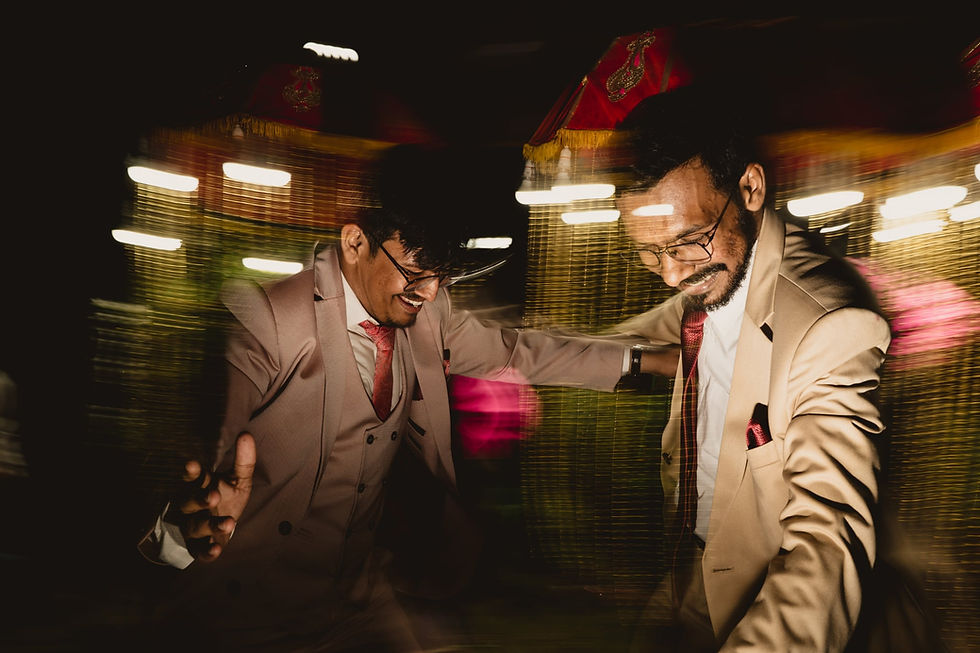
RAW files strip away that entire layer of craft. Handing them over would mean handing over the ingredients rather than the meal you actually booked and paid for.
It's also worth remembering that this is usually the exact reason you chose your photographer in the first place. Couples browse portfolios and galleries before booking because a particular style resonated with them, whether that's warm and documentary, timeless and editorial, or something in between.
RAW files don't carry any of that. They're the same flat starting point regardless of who's behind the camera.
Why Photographers Usually Don't Hand Over RAW Files
Beyond the creative reasoning, there are a few practical reasons most photographers treat RAW files as part of their own wedding photography workflow rather than something included in delivery:
They're unfinished work. Handing over RAW files is a little like a builder handing you a half-built house and calling the job complete.
The file sizes are enormous. A single wedding can easily produce two to four thousand RAW images, each many times larger than a finished JPEG. Delivering that volume isn't practical for most couples to store, let alone realistic to look through.
They require specialist software to view properly. Without the right editing programme, RAW files can look even worse than a basic in-camera preview suggests.
They don't represent the photographer's actual standard of work. If unedited images were ever shared or seen out of context, they wouldn't reflect the quality a photographer is known for, and could unfairly shape how their work is judged.
None of this comes from a place of secrecy. It's simply standard practice across wedding photography as an industry, in much the same way you wouldn't expect an unfinished film cut or an unmastered album track.
Are There Ever Any Exceptions?
In the interest of being fully transparent, a small number of photographers will provide RAW files, usually for a significant additional fee, or in specific circumstances such as a legal dispute. This isn't standard, and it isn't something we'd recommend basing your decision around when choosing a photographer.
If a photographer does offer RAW files as standard, it's worth asking how they approach editing and what role those files play in their workflow. Every photographer works differently, but for most established wedding photographers, the finished edited gallery is considered the completed product rather than the starting point.
But Aren't They "My Photos"?
This is where the distinction genuinely matters, and it's worth addressing directly rather than skirting around it.
Your wedding day belongs entirely to you. The photographs themselves are a slightly different thing they're a creative work, produced through your photographer's technical skill, artistic judgement and editing process. Most professional photography contracts reflect this too, with the finished, edited gallery being the deliverable included as part of the service, rather than the source material behind it.
It's less like buying a physical object, and more like commissioning a piece of work. You're paying for the finished piece, along with everything that went into creating it.
How Many Edited Wedding Photos Do You Actually Receive?
This naturally raises the question of just how much couples do end up with. As we explored in our guide to how many wedding photos you should expect to receive, the exact number varies from wedding to wedding, but as a general example, a ten-hour wedding day covered by one photographer typically results in around 800 fully edited images.
That's not a limitation. It's usually more than enough to tell the complete story of the day, from getting ready in the morning through to the last dance at night, without any noticeable gaps.
What If You Want a Photo Edited Differently?
This is a different request entirely to asking for RAW files, and it's something most photographers, ourselves included, are genuinely happy to help with. If there's a particular photograph you'd like slightly brighter, warmer, cropped differently, or converted to black and white, a reasonable request along these lines is a normal part of the aftercare most photographers offer once a gallery is delivered.
It's worth asking your photographer about their approach to this before booking, simply so you know what to expect once your photographs arrive.
The Bottom Line
Asking for RAW files isn't an unusual or awkward question. It's one that most couples consider at some point, and it usually comes from a completely understandable place: wanting to make sure nothing gets missed. Hopefully this has explained why the answer is almost always no, and why that's actually a good thing for you.
The goal was never to hold anything back. It's the opposite: to make sure every photograph you receive is the best possible version of that moment, shaped by years of experience, a considered editing style, and the same care that goes into every wedding we photograph.
When you book a wedding photographer, you're not only paying for someone to be present with a camera. You're investing in the years of experience, the trained eye, and the editing process that turns thousands of individual photographs into a gallery that actually feels like your wedding day, start to finish.
If you're planning your wedding and looking for a photographer whose work you can trust from the first click of the shutter to the final edited gallery, we'd love to hear about your plans.

