Exploring the Rich Tapestry of South Asian Weddings

Updated: Dec 1, 2025
South Asian wedding ceremonies offer a fascinating glimpse into the diverse traditions, rituals, and values that shape the continent’s many cultures. From the spiritual Anand Karaj of the Sikhs to the vibrant Tamil celebrations, each wedding style reflects unique customs and deep-rooted beliefs. Understanding these differences enriches our appreciation of the cultural heritage behind these joyous occasions. This post explores several prominent Asian wedding ceremonies, highlighting their distinct features and cultural nuances.
Celebrating Love: A Journey Through South Asian Weddings
South Asian weddings are a beautiful tapestry of traditions. Each ceremony tells a story, weaving together the past and present. As you embark on this journey of planning your wedding, it’s essential to appreciate the rich cultural heritage that surrounds these celebrations. Let’s dive into the unique aspects of various South Asian wedding ceremonies.
Anand Karaj: The Sikh Wedding Ceremony
Anand Karaj, meaning "blissful union," is the Sikh wedding ceremony centred around the Guru Granth Sahib, the Sikh holy scripture. The ceremony takes place in a Gurdwara, where the couple circumambulates the scripture four times. This act symbolizes their commitment to each other and to God.
Key cultural elements include:
The Lavan: Four hymns sung during the four rounds, each representing a stage of married life.
Simple yet meaningful attire: The bride often wears a traditional salwar kameez or lehenga, while the groom dons a turban and sherwani.
Community involvement: The entire congregation participates in prayers and shares a communal meal called Langar.
Anand Karaj emphasises spiritual unity and equality, reflecting Sikh values of humility and devotion.
Tamil Weddings: A Celebration of Rituals and Color
Tamil weddings are known for their elaborate rituals and vibrant colors. The ceremonies often span several days, combining religious rites with festive celebrations.
Important aspects include:
Kashi Yatra: A playful ritual where the groom pretends to leave for pilgrimage but is persuaded to marry instead.
Mangalya Dharanam: The tying of the sacred thread or mangalsutra around the bride’s neck, symbolizing marital commitment.
Oonjal Ceremony: The couple sits on a decorated swing, surrounded by family, as elders bless them.
Tamil weddings showcase a blend of devotion, family bonding, and joyful celebration, often accompanied by traditional music and dance.
Kerala Weddings: Simplicity and Tradition by the Backwaters
Kerala weddings stand out for their simplicity and connection to nature. The ceremonies often take place in homes or temples, featuring rituals that honor both Hindu and Christian traditions depending on the community.
Highlights include:
Nischayam: The formal engagement ceremony.
Kanyadaanam: The giving away of the bride by her parents.
Sadhya: A grand vegetarian feast served on banana leaves.
The use of natural elements like flowers, coconut, and banana leaves reflects Kerala’s cultural emphasis on harmony with the environment.

Kannadiga Weddings: Rich Rituals of Karnataka
Kannadiga weddings from Karnataka combine religious rites with cultural customs unique to the region.
Notable features:
Paanigrahanam: The groom holds the bride’s hand, signifying acceptance.
Saptapadi: The couple takes seven steps together, each step representing a vow.
Homa: A sacred fire ritual invoking blessings.
Kannadiga weddings often include folk music and dance, showcasing Karnataka’s rich artistic heritage.
Gujarati Weddings: Joyous and Colorful Festivities
Gujarati weddings are famous for their lively atmosphere and intricate rituals. The celebrations often last several days, filled with music, dance, and traditional ceremonies.
Key customs:
Garba and Dandiya Raas: Traditional dances performed by family and friends.
Madhuparka: The welcoming of the groom with honey and yogurt.
Pheras: The couple circles the sacred fire, taking vows.
Gujarati weddings emphasize community participation and joyous celebration, with bright attire and elaborate decorations.
Marwadi Weddings: Royal Traditions Filled With Culture
Marwadi weddings are grand, vibrant, and deeply rooted in Rajput and Rajasthani heritage. Known for their regal atmosphere, colourful rituals, and strong family traditions, these celebrations often span multiple days with elaborate customs.
Distinctive elements:
Baraat & Toran: The groom arrives in a lively procession, and breaks the toran (floral string) at the venue entrance for good luck.
Jaimala: The bride and groom exchange floral garlands in a joyful, playful moment.
Pheras: The couple takes seven sacred rounds around the fire, symbolising their vows and commitments.
Bidai: An emotional farewell as the bride leaves with the groom’s family.
Marwadi weddings are known for their grandeur, royal décor, traditional music, and warm hospitality — creating endless opportunities for colourful and expressive photography.
Bengali Weddings: A Blend of Tradition and Elegance
Bengali weddings are known for their elegant rituals and symbolic gestures. The ceremonies often include both Hindu and Muslim customs depending on the family.
Distinctive elements:
Saat Paak: The bride circles the groom seven times.
Sindoor Daan: The groom applies vermilion to the bride’s forehead.
Subho Drishti: The first eye contact between the couple, considered auspicious.
Bengali weddings highlight the importance of symbolism and family involvement, often accompanied by traditional music and sweets.

Nikah: Islamic Wedding Ceremony
Nikah is the Islamic marriage, a solemn and sacred agreement between the bride and groom. The ceremony is simple yet profound, focusing on mutual consent and commitment.
Important features:
Ijab and Qubool: The offer and acceptance of marriage vows.
Mahr: A mandatory gift from the groom to the bride.
Dua and Quran recitation: Prayers for blessings and guidance.
Nikah ceremonies emphasize respect, consent, and the spiritual bond between the couple.
Cultural Nuances Across Asian Wedding Ceremonies
While each Asian wedding ceremony has unique rituals, several cultural themes emerge:
Family and community: Weddings often involve extended family and community members, reflecting collective values.
Symbolism: Rituals use symbols like fire, threads, and food to convey deeper meanings.
Attire and colors: Traditional clothing and colors vary but always hold cultural significance.
Music and dance: Celebrations often include regional music and dance forms, enhancing the festive mood.
These nuances make Asian wedding ceremonies rich sources of cultural expression and identity.
Capturing the Moments: Asian Wedding Photography and Ideas
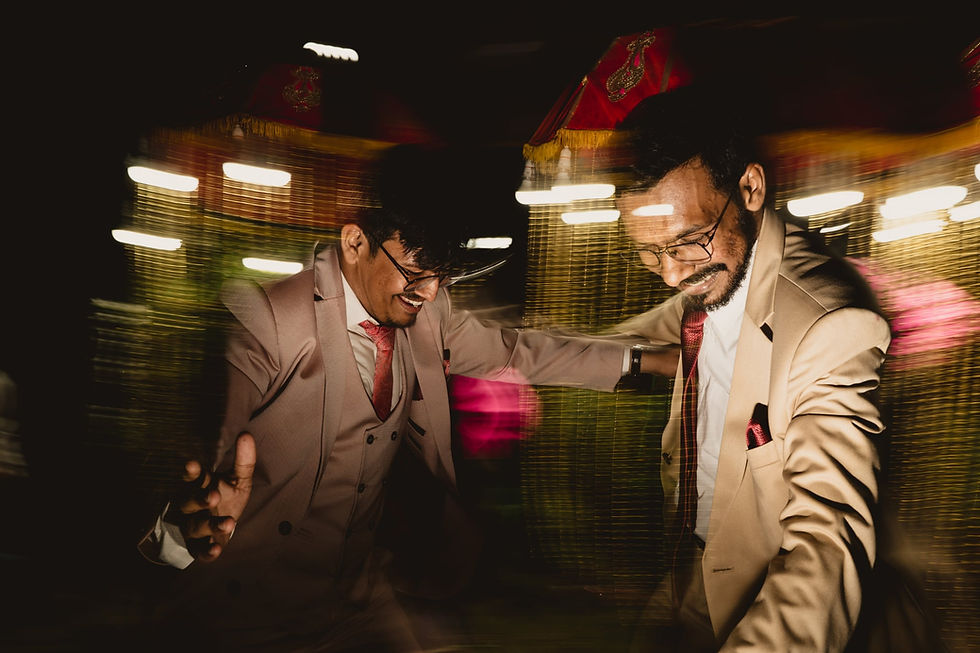
Asian wedding ceremonies offer vibrant scenes for photographers. Capturing the intricate rituals, colorful attire, and emotional moments requires sensitivity and creativity. Asian wedding photography often focuses on:
Detail shots: Close-ups of jewelry, henna designs, and ceremonial items.
Candid moments: Genuine expressions of joy and emotion.
Group portraits: Family and community involvement.
For couples planning their weddings, exploring Asian wedding ideas can help blend tradition with personal style, creating memorable experiences that honor heritage while embracing modern touches. If you want to book me as your photographer, reach out to me to check availability and customised packages.
Conclusion: Embracing Your Unique Journey
As you plan your wedding, remember that each ceremony is a reflection of love, culture, and family. Embrace the traditions that resonate with you. Whether you choose a Sikh Anand Karaj or a vibrant Gujarati celebration, your wedding will be a unique expression of your love story. Celebrate the journey ahead with joy and excitement, knowing that your memories will be beautifully preserved.